
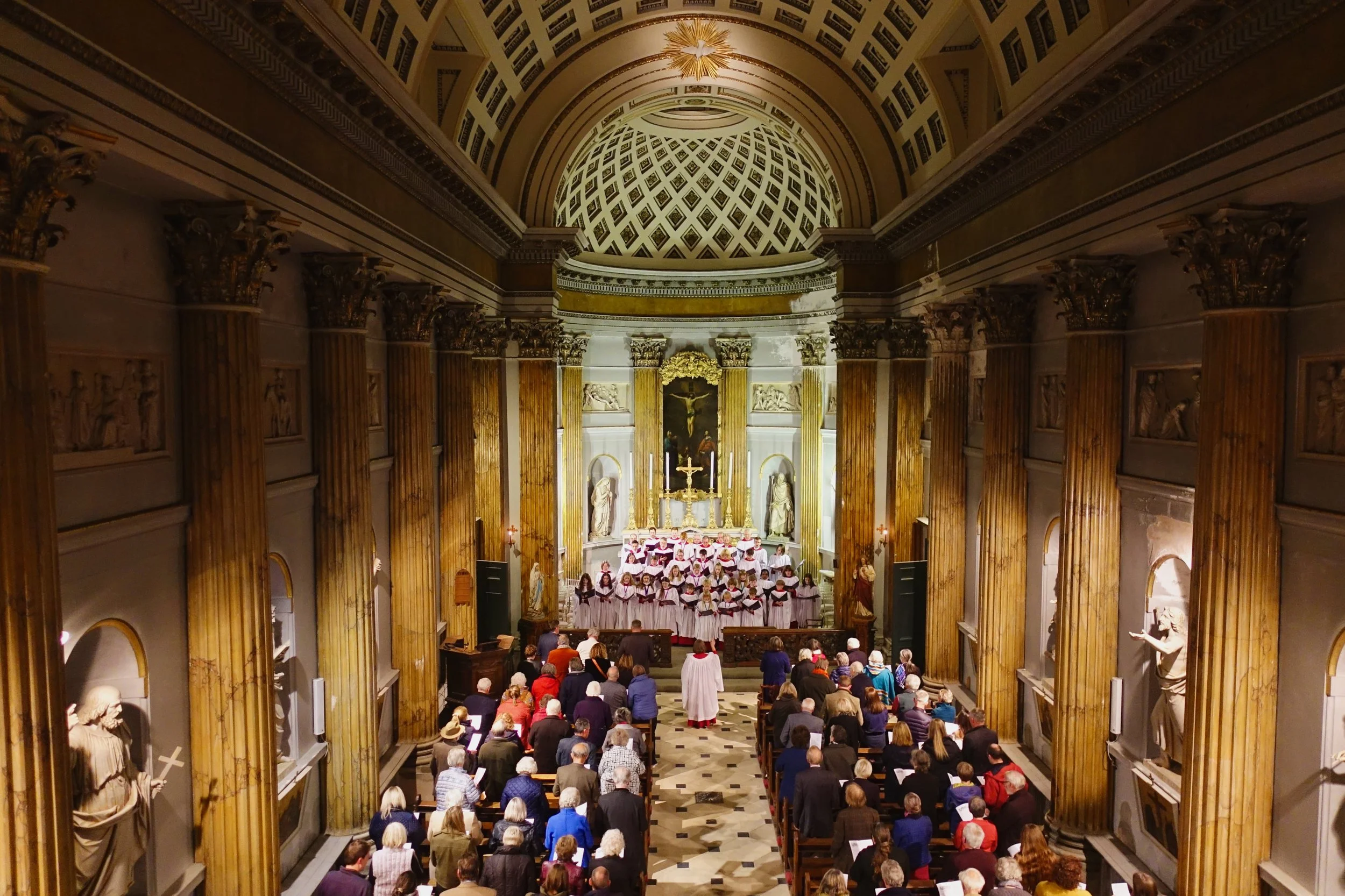
The Chapel of St. Mary & St. Everilda
A hidden gem in the heart of the East Riding.
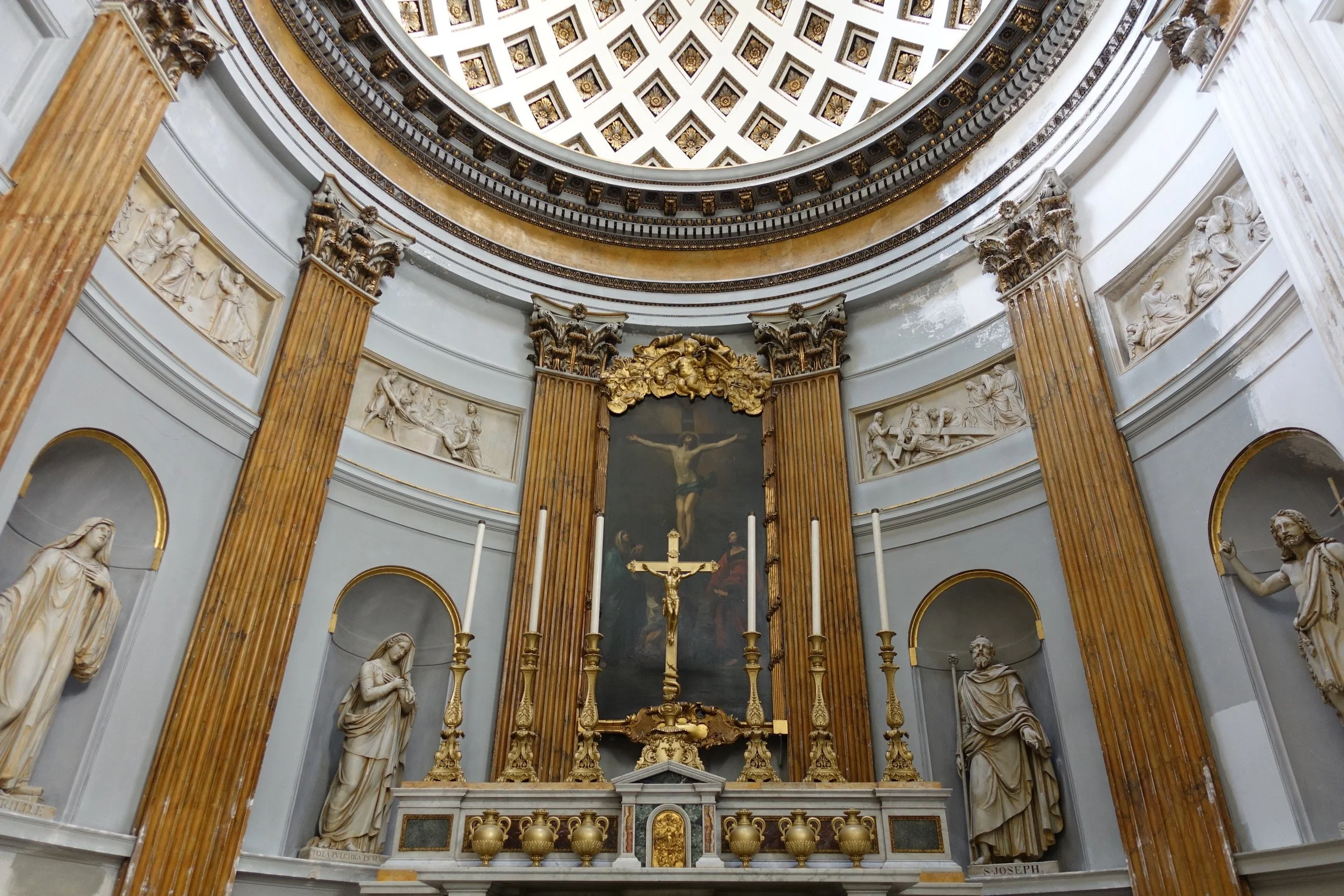
When the Roman Catholic parish of Everingham was closed by the Diocese of Middlesborough, the chapel became redundant and its keys returned to the Everingham Park estate. As you can imagine, taking on a Grade I listed Georgian building comes with its drawbacks! 180 years of use had taken its toll and urgent repairs were needed to make the building watertight and stabilise the ceiling.
The restoration trust was formed to secure the future of the building and soon after, funds became available to begin the re-roofing the chapel. With the building watertight, the next step was to stabilise and restore the ornate barrel-vaulted ceiling. Further funds allowed this work to start during 2021, which finished this year. With no danger of falling plaster and COVID lockdowns relaxed, 2022 saw the first open day to welcome visitors in to view the chapel and its "new" ceiling.
The ongoing aim of the trust is to continue the restoration of the chapel, its interior and organ, bringing back it's former splendour and preserving this historically important asset for the next 200 years. This all relies on grant funding, voluntary donations and fund-raising events.
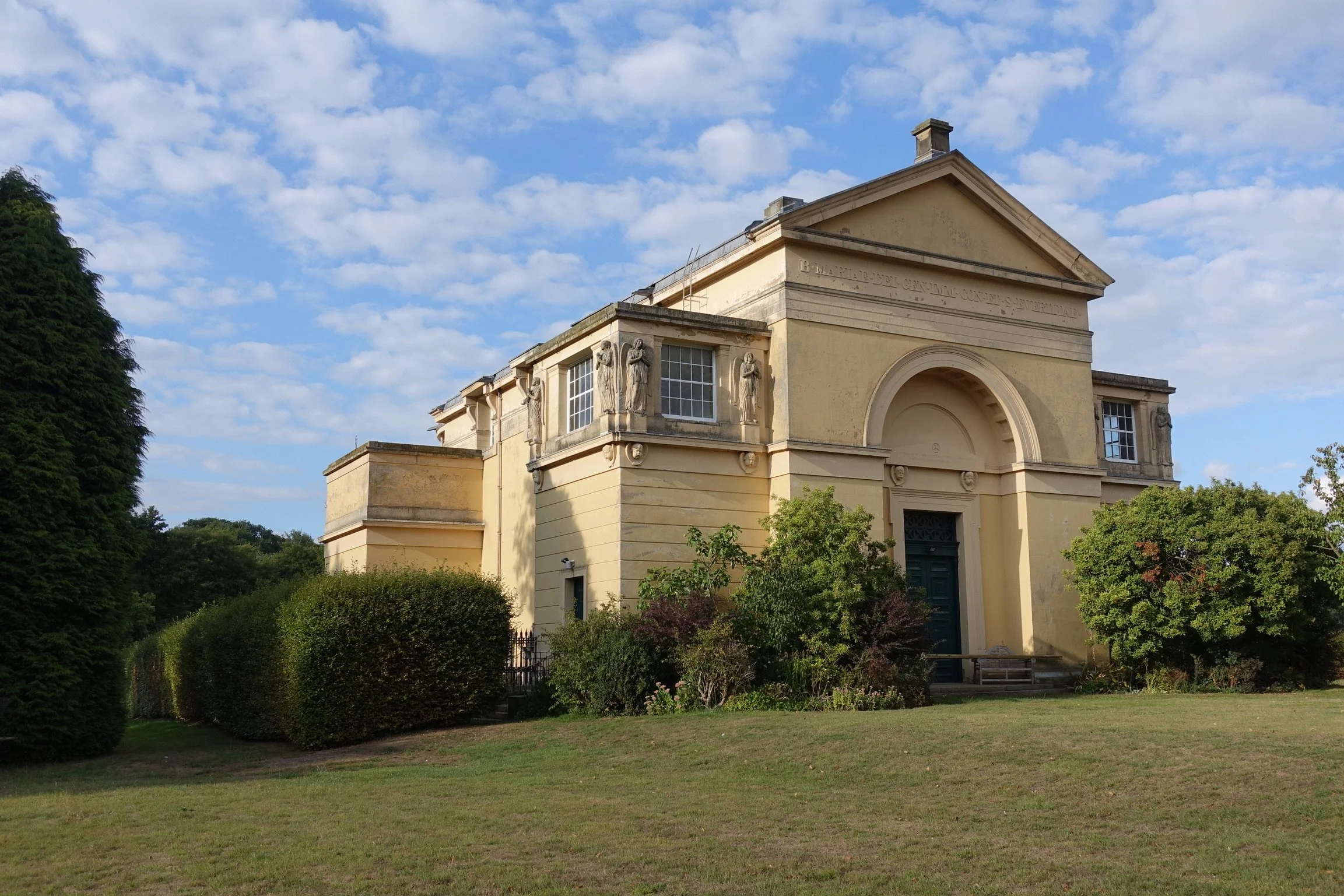
Ongoing Restoration
Since the major ceiling restoration project in 2022, work has continued underneath in the chapel.
Exterior doors and woodwork have been repaired and repainted; internal doors have been repaired; and heating controls and Altar lighting have been improved
When the main roof was re-leaded in 2020/21, there was not enough funding to replace the lower roofs of the apse and transepts. Unfortunately, in winter 2023, a bad leak was discovered in the sacristy roof requiring major repairs. These repairs were completed in early 2024 by specialist contractors Pinnacle Conservation (who previously did the ceiling) and a full drone survey carried out.
All this work has been made possible with your support at our fund-raising events and kind donations.
The Organ
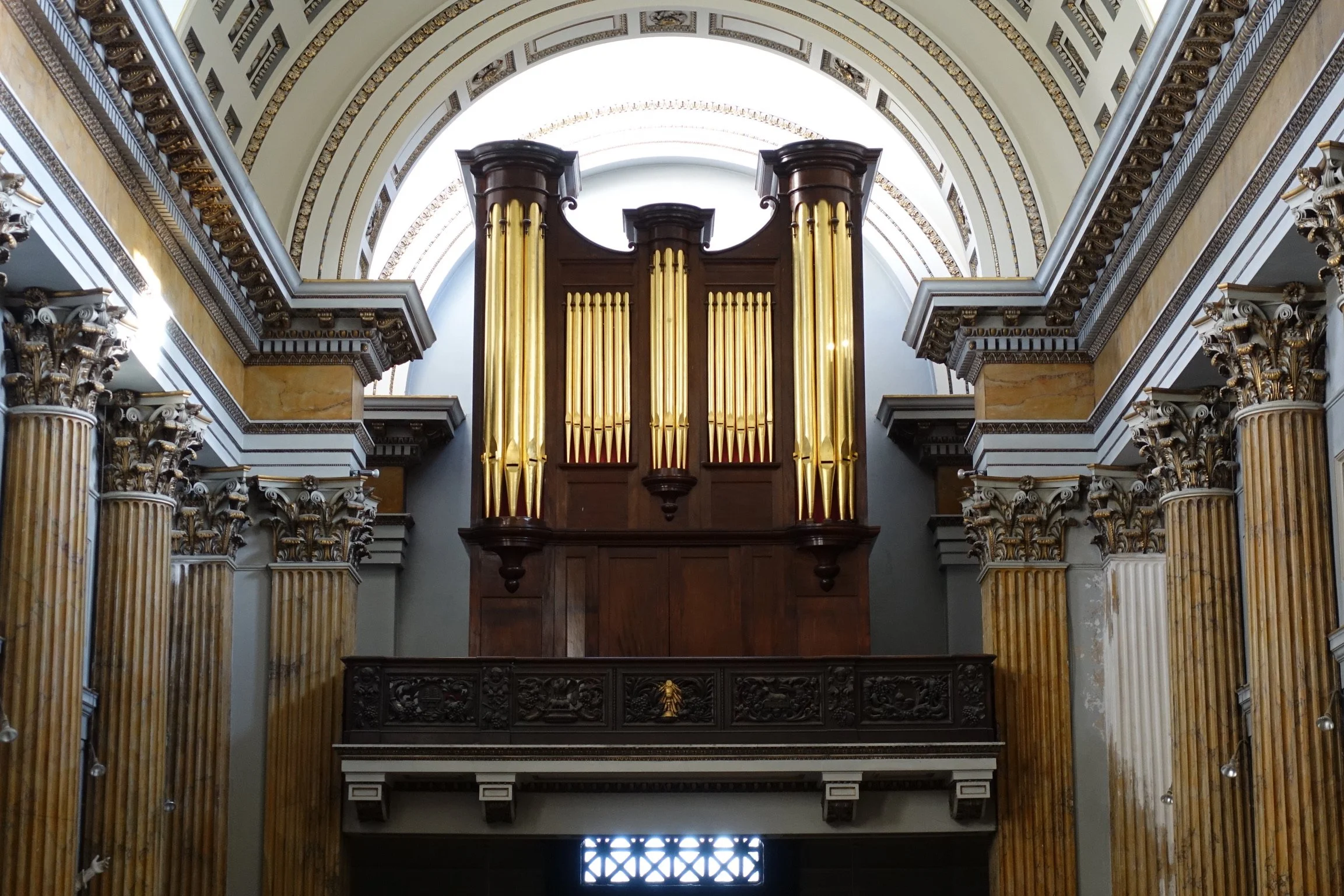
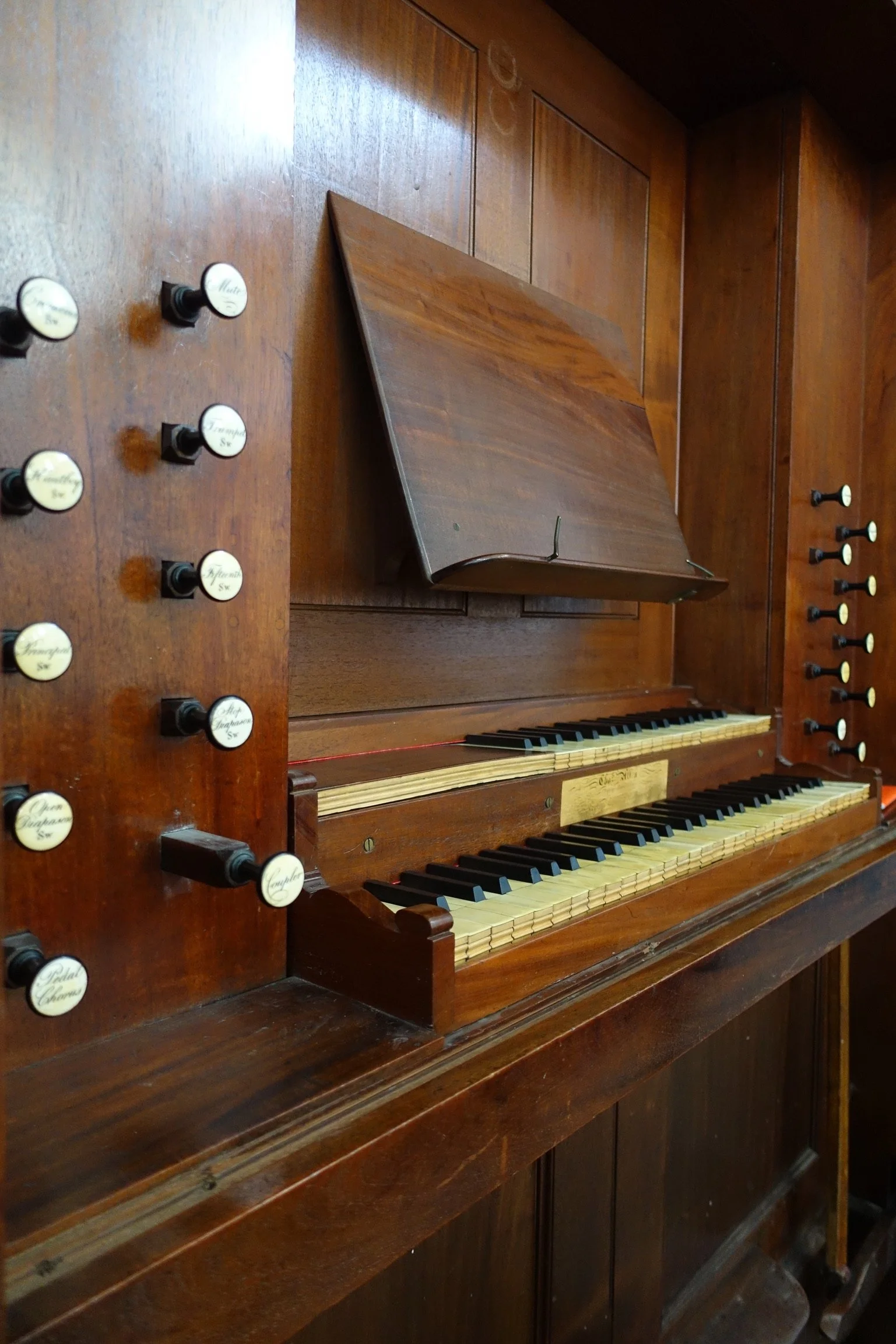
The chapel houses a fine two-manual pipe organ by the English builder Charles Allen, installed in 1837–39 and contemporary with the chapel’s consecration on 9 July 1839. Housed beneath the barrel-vaulted gallery at the west end of the chapel, the instrument occupies a grand mahogany case with gilded façade pipes beginning at 8′ C — the four lowest Open Diapason pipes are concealed behind the casework. Its layout, though modest in specification, is unusually generous for a private chapel: the Great division lies at impost level, a compact swell-box sits above and behind, and the Pedal pipes flank the case, with a large double-rise wind-reservoir occupying the case base, measuring some twelve feet by six. 
What makes this instrument particularly remarkable is its survival in near-unaltered form: little, if any, subsequent rebuilding or major change is recorded, leaving it as an authentic mid-19th-century build in its original location and acoustic setting. The chapel’s acoustics — long praised for their clarity and warmth — allow the organ’s tone to carry quietly yet distinctively over the Corinthian columns and coffered ceiling. 
Through its history the organ has played an integral role in the chapel’s liturgical and musical life: from grand consecration ceremonies (including performances of Haydn’s Mass No. 1 at its opening) to more recent recitals and heritage music events. 
Support us
“It all begins with an idea. Maybe you want to launch a business. Maybe you want to turn a hobby into something more. Or maybe you have a creative project to share with the world. Whatever it is, the way you tell your story online can make all the difference.”
— Squarespace