
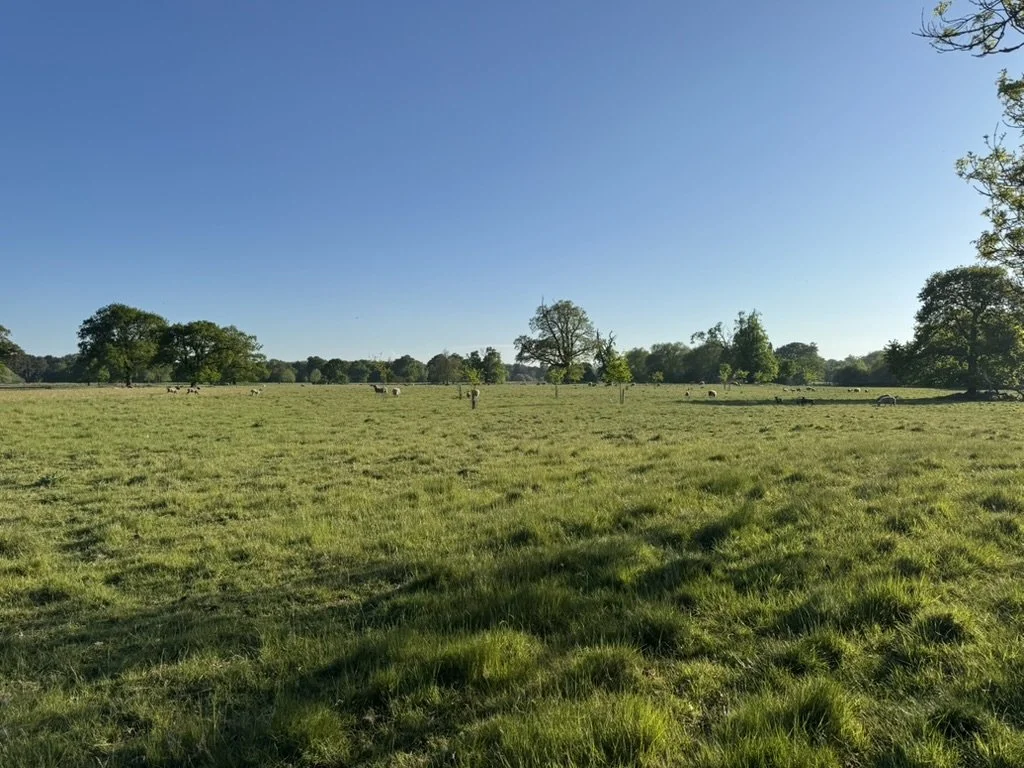
From the Constable Maxwell legacy to the Guest family today, Everingham Park continues as a living estate shaped by care, continuity and welcome.
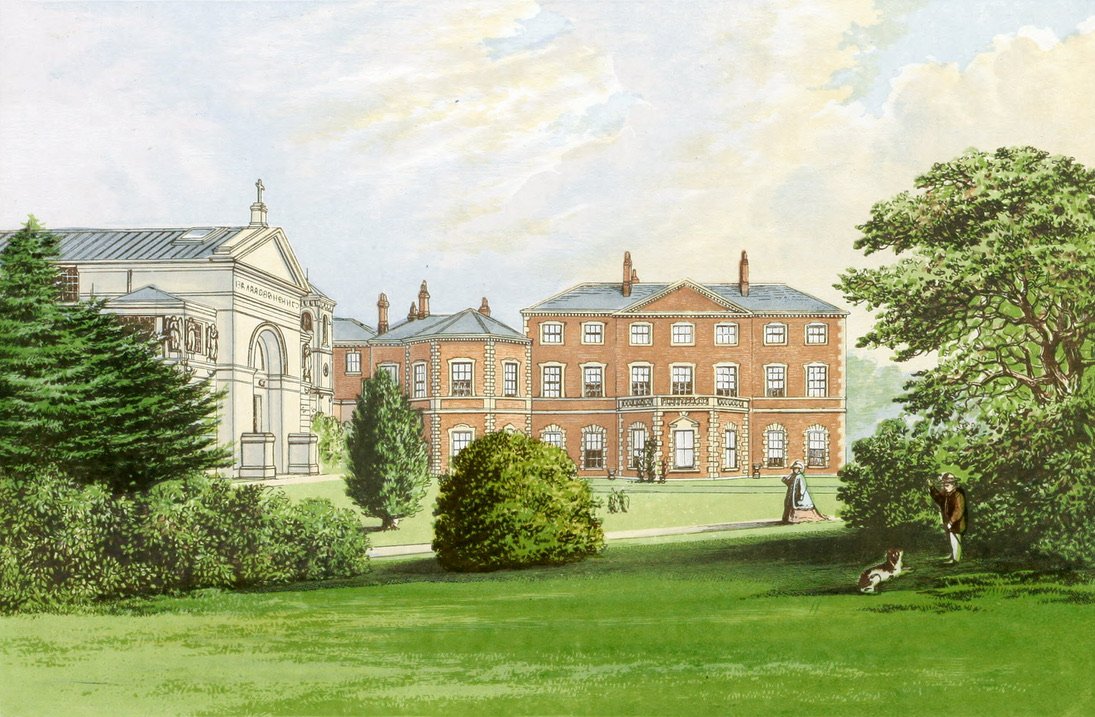
A Georgian Vision
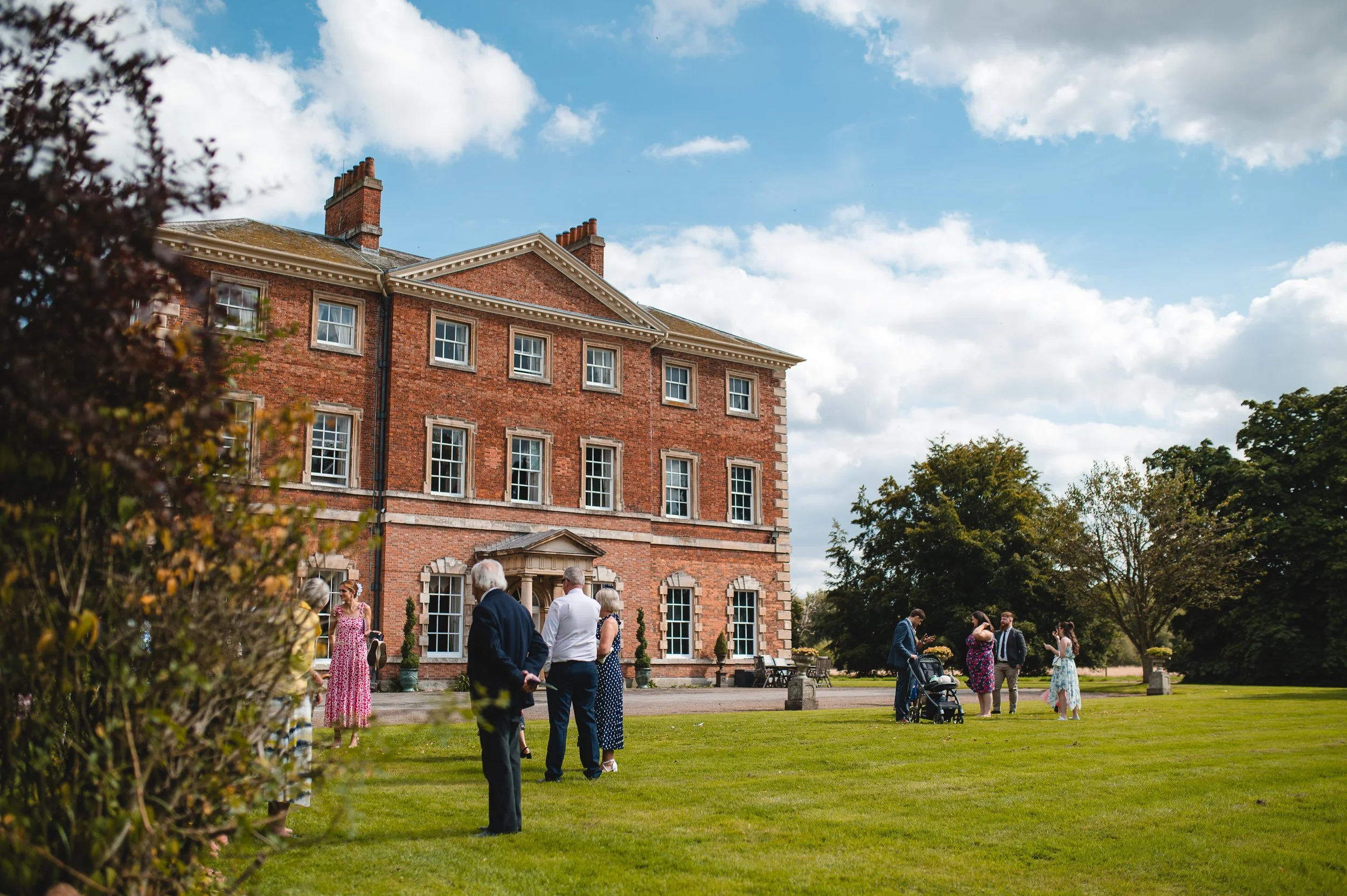
Everingham Park was built between 1758 and 1764 to designs attributed to John Carr of York, one of the most accomplished architects of the late 18th century. The house reflects the Palladian tradition then shaping English country architecture — brick built with stone detailing and a restrained yet confident façade overlooking parkland and water.
The setting evolved through the 18th and early 19th centuries, with avenues, pleasure grounds and landscape improvements giving the estate its present form.
Faith & Emancipation
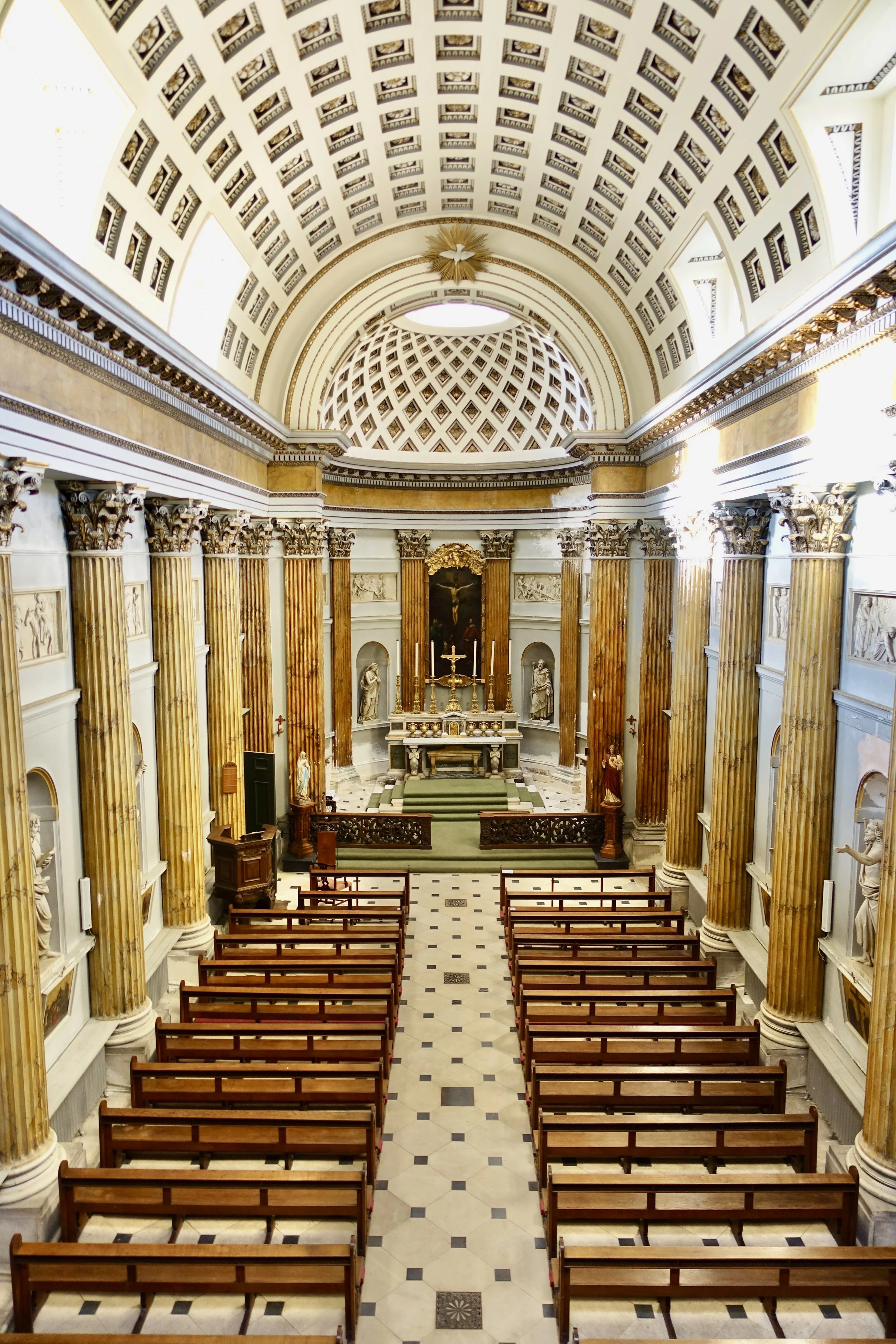
The estate has long been associated with Catholic families, including the Constable Maxwells. In the decades following Catholic Emancipation, a remarkable Romanesque chapel was constructed beside the house — an architectural statement of renewed religious freedom.
The Chapel of St Mary and St Everilda remains one of the most striking private chapels in Yorkshire. Its Corinthian columns, richly decorated plasterwork and gilded detailing often astonish visitors who encounter it for the first time.
Revival & Renewal
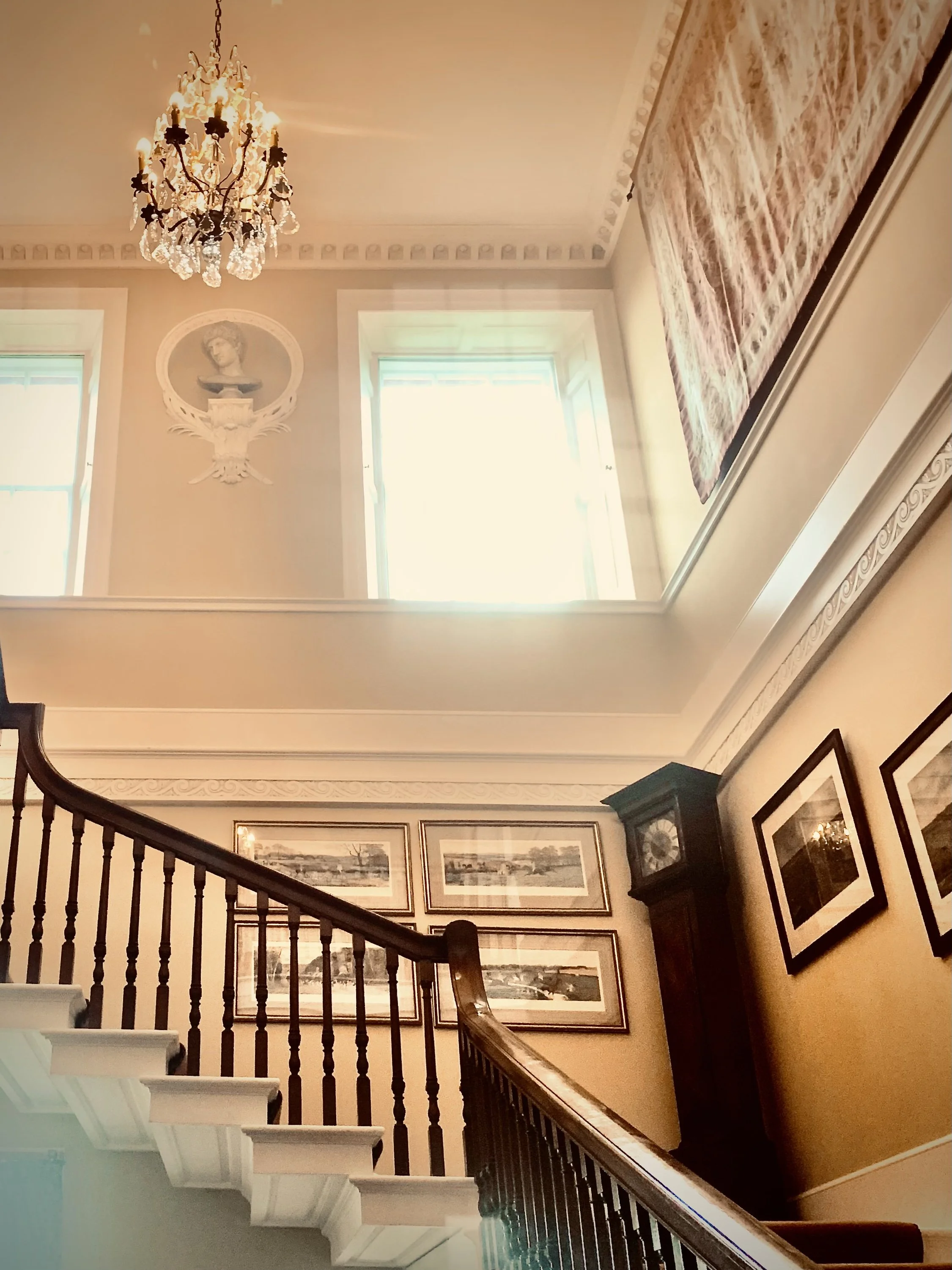
By the mid-20th century, the house required careful intervention. A significant restoration in the 1960s sought to return the interiors to their Georgian character, reinstating staircases, fireplaces and proportions that had altered over time.
In more recent years, further conservation work — including major repairs to the chapel roof and interior plasterwork — has ensured the long-term future of the estate’s most distinctive building.
The Estate Today
Now home to Helen and Philip Guest, Everingham Park remains privately lived in. It opens selectively for weddings, gatherings, concerts and guided tours — occasions shaped less by formality than by warmth and personal hospitality.
It is not a museum, nor a commercial venue operating at scale. It is a home with a history — carefully maintained and thoughtfully shared.